
Innovative Yale Study: Modified Wood Unlocks New Insulation Applications for Power Transformers
In common perception, wood has always been a classic building material. However, an innovative study from Yale University has completely broadened the boundaries of wood applications, successfully transforming it into high-performance insulation material for power transformers.

The research results were officially released by the Yale School of Engineering on June 10, 2026.
Power transformers are the core equipment of the power grid system. The key to transformer protection lies in the internal insulation layer. Current transformer insulation technology dates back to the 1890s, using kraft paper combined with insulating oil. However, this traditional solution has inherent flaws as the insulating oil forms interconnected micro-regions that can lead to electrical failures.
Compared to traditional processes, the high-density modified wood insulation material developed by Yale University has achieved a comprehensive upgrade in heat resistance, internal pressure resistance, wear resistance, and heat dissipation capacity.
Preparation Principles and Insulation Advantages
The research team reshaped wood's internal structure through a gentle chemical treatment to remove lignin and hemicellulose, followed by oil immersion and high-pressure densification.

Through high-pressure compression, the originally wide internal channels are transformed into tiny, independent closed channels. This structure "locks" the insulating oil within independent micro-channels, preventing the formation of a continuous failure path.
Measured Performance Fully Surpasses Traditional Materials
- Mechanical Strength: Tensile strength is 3.5 times that of traditional oil-impregnated insulating paper.
- Heat Dissipation: Thermal conductivity in the thickness direction is increased by 1.6 times.
- Aging Resistance: In 150°C aging tests for 6 weeks, the modified wood retained over 70% of its tensile strength.

Industry Value
This technology is particularly significant for the aging US power grid, where many large transformers have been in service for over 25 years. The core principle can also be extended to dry-type transformers, industrial motors, and printed circuit boards.

Source: Yale Engineering, Web
More from the newsroom
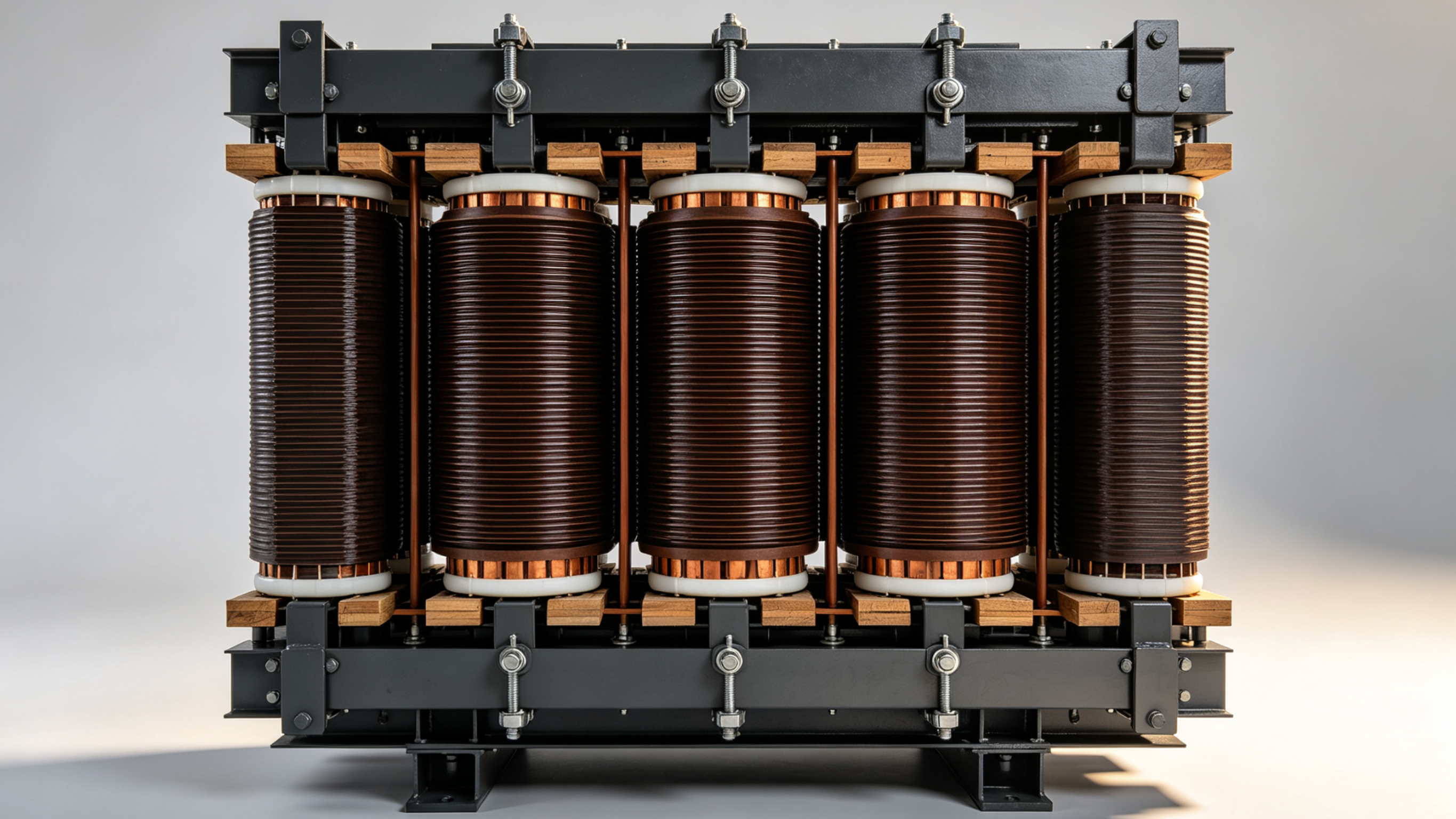
Five-Limb Core: When Three Limbs Are Not Enough — and What Replaces Them
Sep 22, 2026
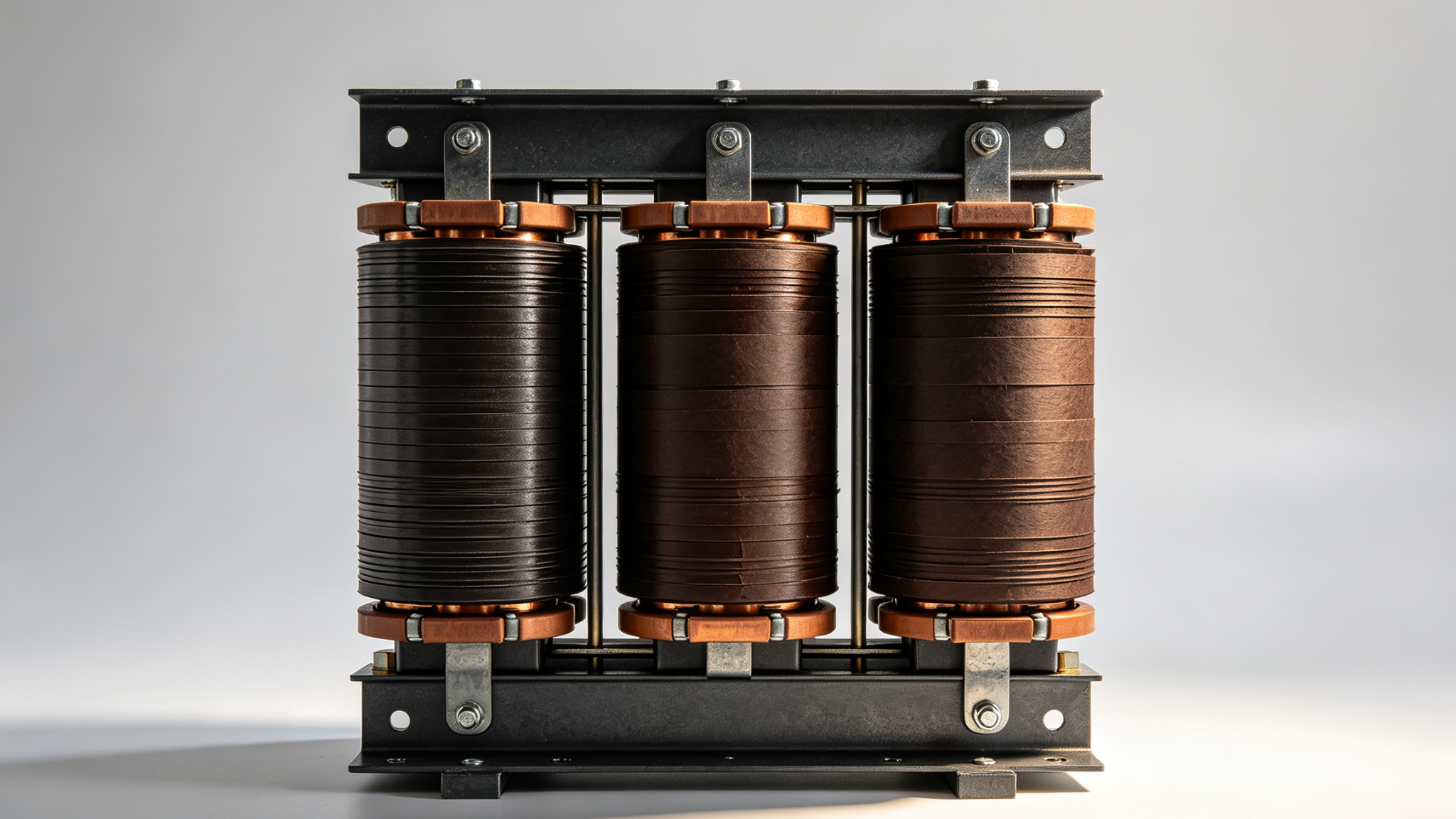
Three-Limb Core: The Workhorse of Three-Phase Transformers — and Why It Matters for Your Order
Sep 18, 2026
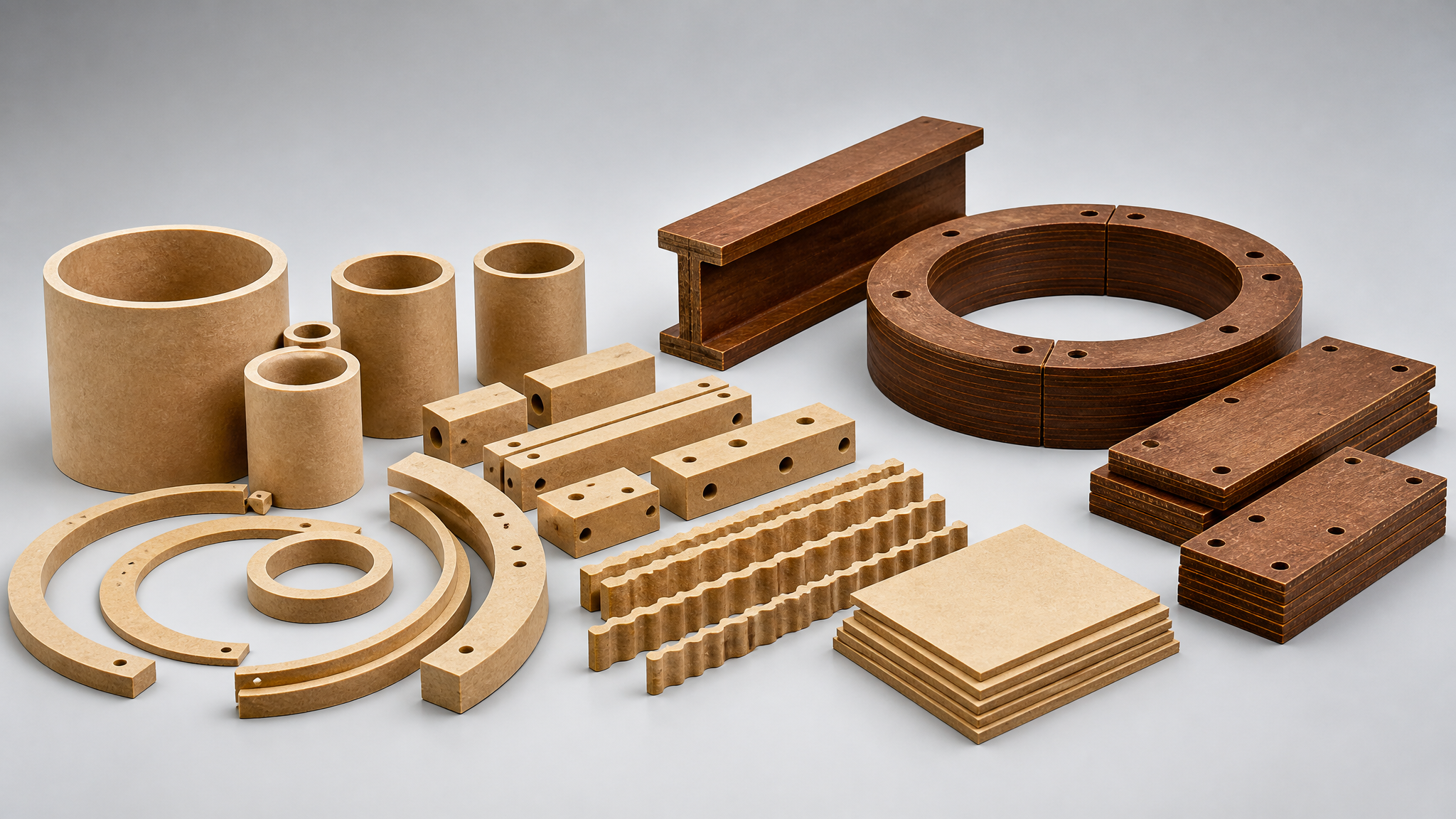
Transformer Insulation Components: The “Quiet” Parts That Decide Your Transformer’s Lifetime
Sep 15, 2026
Questions about what you just read?
Send your specs or your question — a U.S.-based engineer replies within 24 hours.